01Choose durable ground
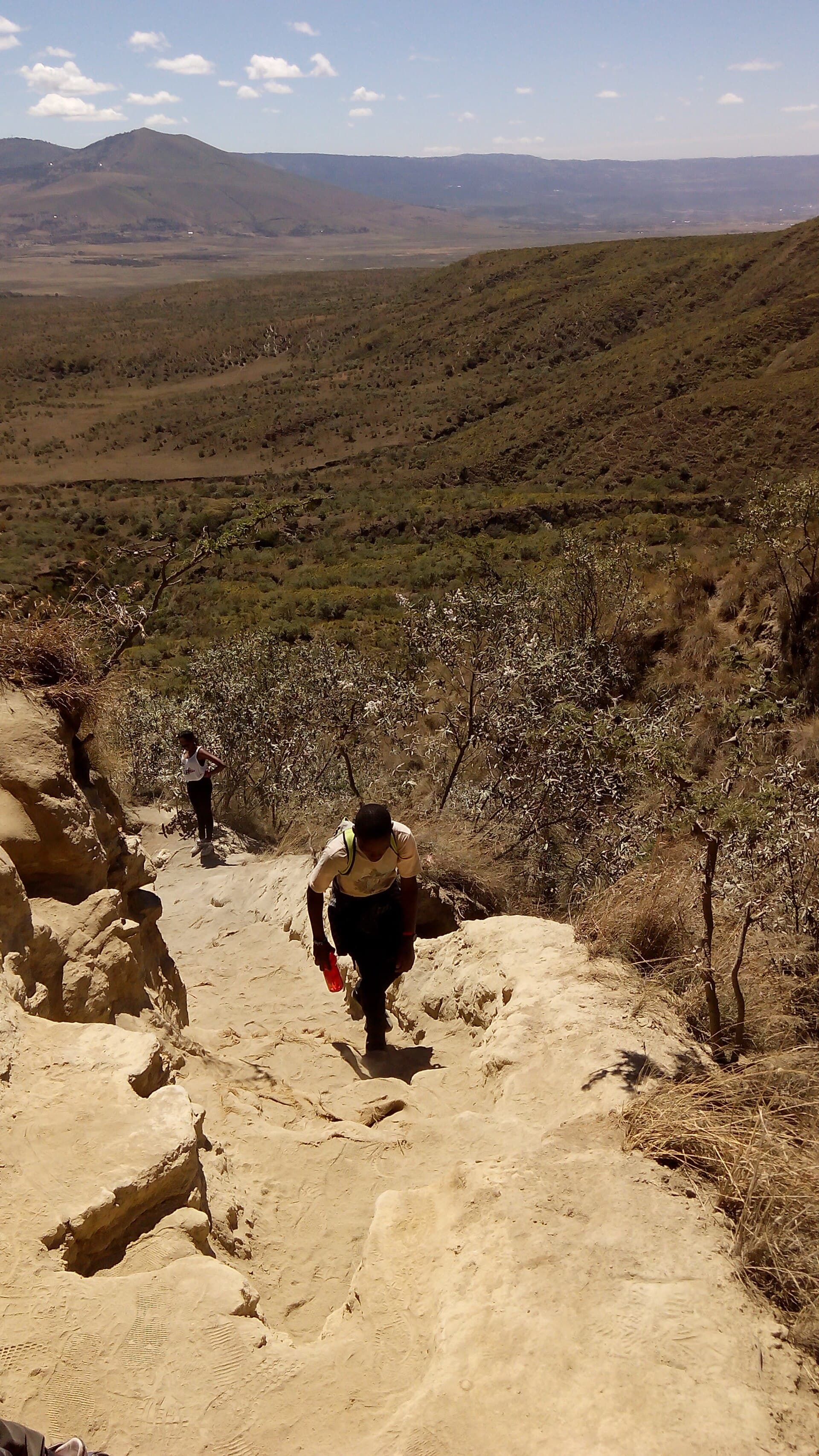
Stay on established routes and hard surfaces.
Notice Wet soil, fragile plants and shortcuts show where a few footsteps become a scar.
Do Follow the marked line, walk single-file on narrow ground, and turn around when conditions make the route vulnerable.
Leave No Trace: Travel and camp on durable surfaces ↗02Let wildlife set the distance
A good photograph never requires an approach.
Notice If an animal changes direction, posture or pace because of you, you are already too close.
Do Pause, back away and use binoculars or a longer lens. Check the local authority’s distance rules before departure.
NPS: 7 ways to safely watch wildlife ↗03Plan for the elements
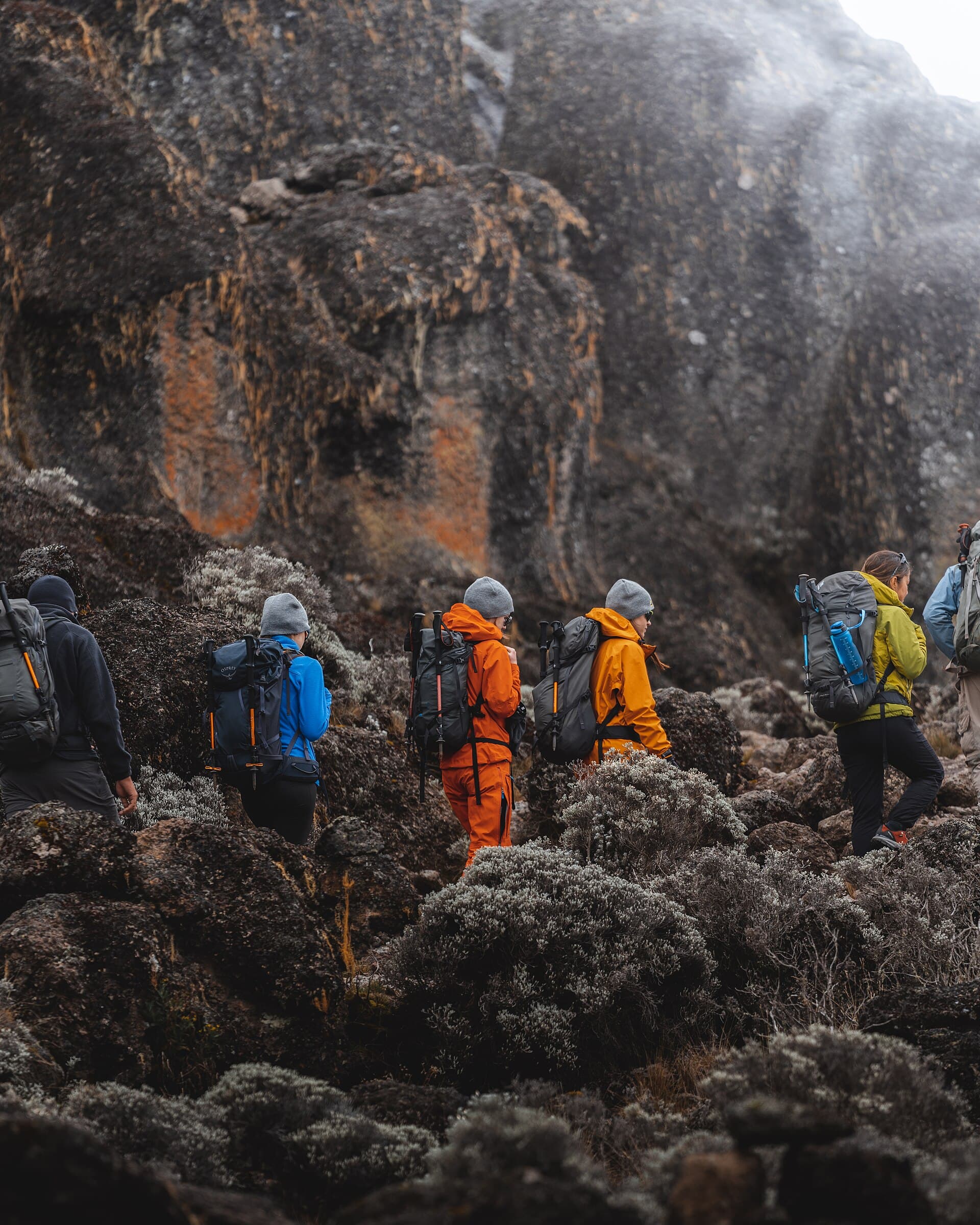
Water, warmth and shelter are route decisions—not afterthoughts.
Notice A dry-looking route can still have no reliable water, and mountain weather can change faster than a forecast suggests.
Do Mark water points, carry treatment, pack an extra layer and a shelter, and leave a route plan with someone at home.
NPS: Ten Essentials ↗04Leave the place recognisable
Carry out food scraps, packaging and hygiene waste.
Notice Small scraps teach wildlife to associate people with food and can change animal behaviour.
Do Bring a sealable waste bag, use toilets where provided, and follow the area’s human-waste rules when facilities are absent.
Leave No Trace: Dispose of waste properly ↗